The Timeless Fun of Video Games, Retro Gaming & Arcade Culture
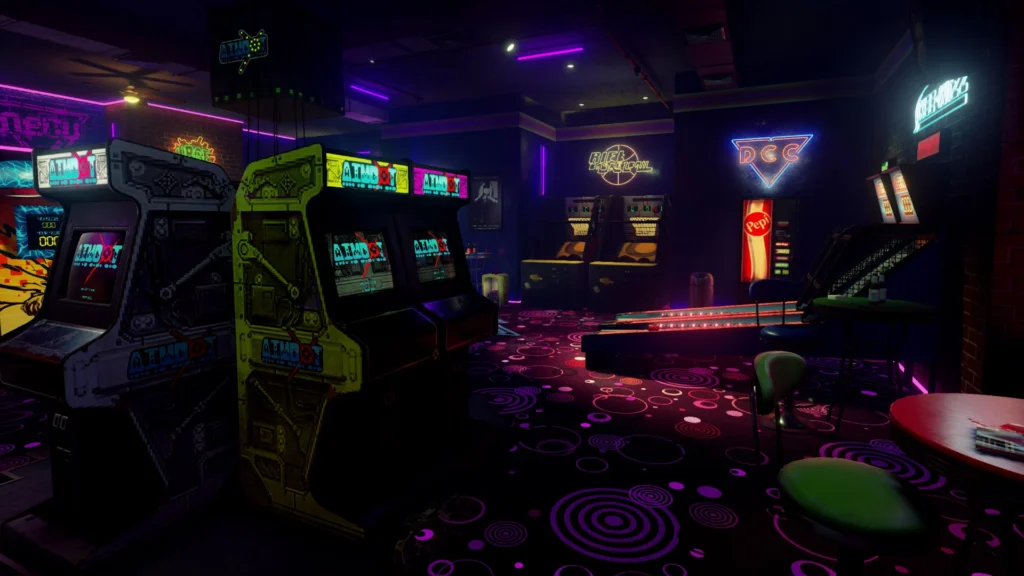
The room is dark except for the glow of old screens and blinking lights. You hear coins clink, buttons click, and that familiar start-up jingle from another lifetime. This is the feeling that pulls people back to video games retro gaming & arcade memories, whether they grew up in the 80s or just found them last week on YouTube.
Retro gaming is more than old plastic and pixels. It is a way to slow down, remember simple fun, and share it with friends, kids, or anyone who loves a good challenge. In this guide, you will see what retro gaming really means, why these games still feel so fresh, and how to enjoy them without draining your wallet.
Grab a mental joystick, and let’s step back into the arcade for a bit.
What Is Retro Gaming & Arcade Culture and Why Do People Love It?
When people talk about video games retro gaming & arcade culture, they usually mean playing and collecting older games, systems, and cabinets from past generations. That can include classic arcade machines, early home consoles, and even old handhelds. Retro does not have a strict age line, but most fans point to games from the 70s, 80s, 90s, and early 2000s.
Arcade culture started with rooms full of big cabinets that took quarters. You did not bring the game home. You met it in a loud, crowded space. Retro gaming keeps that spirit alive. It values face-to-face play, short runs, and bragging rights on the high score board.
People still care about these games even with modern 4K graphics, huge maps, and online matches. Retro titles strip action down to its core. One screen, a few buttons, clear rules, and quick feedback. You know within seconds if you are doing well or if you just fed another life to the machine.
Older games also feel more physical. You slam big buttons, roll trackballs, or twist chunky joysticks. There is weight and click to each move. Many players miss this kind of direct control in a time of touchscreens and huge control layouts.
For others, retro gaming is a time machine. A certain sound, like the waka-waka of Pac-Man, can bring back a whole summer break. These games are small in size but big in feeling, and that is why their culture still grows today.
From Quarter Munchers to Couch Classics: A Short History of Arcades and Retro Consoles
In the 1970s and 1980s, arcades became the hangout spot for kids and teens. You would walk in with a pocket full of quarters and walk out with none. Machines like Space Invaders and Pac-Man lined the walls, each with bright art and simple rules that you could learn in seconds.
As arcades grew, the games got more complex and social. Street Fighter II turned one-on-one battles into a crowd event. People watched matches like they were sports, calling out moves and groaning at close losses. High scores and friendly rivalries gave each arcade its own small legend.
Then home consoles started to catch up. Systems like the Nintendo Entertainment System (NES), Sega Genesis, and Super Nintendo brought that arcade feeling into the living room. Games such as Super Mario Bros. kept the “easy to learn, hard to master” formula. You only needed a few buttons, yet it took real skill to beat every level or find every secret.
This shift changed how people played. Instead of feeding a machine one quarter at a time, you could practice for hours at home with friends or siblings. The arcade did not vanish, but its spirit moved onto the couch and stayed there.
Retro gaming today looks back on both sides of that story. The crowded arcade full of noise, and the quiet living room where you tried to beat that one hard boss before bedtime.
Why Retro Games Still Feel Fun in a World of 4K Graphics
Modern games can look like movies, with detailed worlds and complex stories. Retro games stay fun for very different reasons.
They have simple controls. Often you use only a few buttons, so anyone can start within a minute. That makes them perfect for parties, family nights, or quick solo sessions when you do not have time for a giant quest.
They also have clear goals. Survive as long as possible, clear all the blocks, reach the end of the stage. You never wonder what to do next. That clarity feels relaxing in a busy day.
The bright pixel art and chiptune music give retro games a strong style. Even with fewer colors and sounds, they have personality. Think of the iconic look of Tetris blocks or the tune from the first level of Super Mario Bros. These details stick in your mind.
Most classic games move at a fast pace and respect your time. You can play a full run in 10 or 20 minutes, instead of needing dozens of hours. That difference is a big reason people return to video games retro gaming & arcade culture. It is about quick, honest fun, not just bigger and bigger graphics.
Nostalgia, Community, and the Joy of Beating a High Score
Nostalgia is a warm pull toward something from your past. With games, it might be the sound of an intro screen or the feel of a certain controller in your hands. Retro gaming taps into this feeling in a direct way.
Many adults return to the games they grew up with because they want to “finish the job.” Maybe there was a boss they never beat as a kid, or a score they wanted to top. Finally clearing that stage years later feels like fixing an old unfinished story.
Chasing a high score still brings out friendly competition. Whether you are in a local arcade or a modern score board online, seeing your name near the top feels great. It proves that your skill and patience paid off.
Today’s retro fans also form strong communities. They meet at events, in local arcades, and in small clubs to share tips and stories. Online, they trade advice, show photos of old shelves and cabinets, and cheer on people who just cleared a tough game for the first time. The focus stays on joy and shared memories, not on specs or status.
Easy Ways to Get Into Video Games Retro Gaming & Arcade at Home
You do not need a room full of cabinets to play classic arcade games at home. There are many ways to start that fit different budgets and interest levels. If you are asking how to start retro gaming without spending much, the key is to use what you already have, then add only what you really want.
Below are a few paths, from casual to more involved.
Play Retro Games on Your Current Console, Phone, or PC
Most people already own a device that can run older style games. Modern consoles, PCs, and even phones often have legal classic game collections for sale or as part of a subscription. These packs gather popular titles from famous systems and present them in one menu.
There are also browser based arcade style games and mobile apps that copy the feel of retro hits. While not the original versions, they are a quick way to see if you enjoy that style of short, focused play.
A smart approach is to try a small mix of genres first. Maybe a platformer, a puzzle game, and a shooter. Once you know what clicks, you can decide if you want to go deeper.
Mini Consoles, Plug-and-Play Systems, and Handheld Retro Devices
If you like playing on a TV, mini consoles and plug-and-play systems are a friendly option. They plug into your TV, usually through HDMI, and come with many built in games. You do not need to buy extra cartridges.
These systems are great for families or casual players. You can pull one out for a weekend visit, let people scroll the menu, and start a game within seconds. No long install times, no updates.
There are also simple handheld retro devices with preloaded libraries. They are fun for travel or kids who want to try older games in the car or on the couch. When choosing any of these, look at three things: the game list, how good the controllers feel in your hands, and whether it connects easily to your current TV.
Building a Retro Collection with Original Consoles and Cartridges
Some fans love the hunt as much as they love playing. For them, buying original consoles and cartridges becomes a hobby. You can find older systems at thrift stores, flea markets, retro game shops, and online listings.
This path can cost more money and time. Older hardware might need new cables or small adapters to work with modern TVs. Some parts may need cleaning or repair.
If you want to try this, start small. Pick one system you loved as a kid or one you are very curious about. Set a simple budget, learn the basics of that console, and test hardware when you can. Treat collecting as a bonus part of video games retro gaming & arcade culture, not a requirement.
Controllers, Displays, and Other Gear That Make Retro Games Feel Right
Good controls make a huge difference, even with basic games. Many modern companies sell controllers shaped like classic pads that still plug into current systems. They give you that old-school feel without the hassle.
On the display side, some fans praise old CRT TVs for their smooth look. For most people though, a normal flat screen is fine. Focus on using an HDMI connection when possible, and check if your TV has a “game mode” setting to reduce input delay.
You do not need perfect visual accuracy to have fun. A clear picture and a comfortable controller matter more than any small detail.
Where to Find Retro Arcades, Game Nights, and a Friendly Retro Gaming Community
Once you start playing at home, you might want to share that joy with others. Social spaces, both offline and online, keep video games retro gaming & arcade culture active and welcoming.
You do not need deep knowledge or rare items to join in. Curiosity and respect go a long way.
Local Arcades, Barcades, and Family Fun Centers to Visit
Many cities now have “barcades” or retro arcades that mix old cabinets, pinball, and sometimes newer machines. Some are family friendly in the daytime and shift to a 21+ crowd in the evening.
To find them, search terms like “retro arcade near me” or “classic arcade games” with your city name. Check their sites or pages for event nights. Many host tournaments, theme nights, or all you can play events for a set fee. These are perfect chances to sample lots of games in one visit.
Retro Game Stores, Flea Markets, and Local Swap Meets
Small game shops often act as hangout spots for retro fans. The staff usually love to talk about old systems, and regular customers share tips about good finds. Flea markets and swap meets can feel like treasure hunts where you never know what box of cartridges you might discover.
When buying, check the condition of cartridges and discs, look for cracks or heavy wear, and ask if you can test hardware. A quick price check on your phone helps you avoid overpaying. Take your time. Building a collection works best when it stays fun, not stressful.
Online Groups, Streams, and Events for Retro Gaming Fans
If you prefer to connect from home, online spaces are full of retro fans. Social media groups, forums, and Discord servers let people share high scores, tips, and favorite memories. Many creators stream retro games and talk about arcade history, tricks, and hidden paths.
You can watch speedruns, join community challenges, or just chat while someone else plays your favorite system. Look for groups based on a console you like, such as NES or Genesis, or on a style you enjoy, like fighting games or shmups.
When you join, be kind to new players and ask questions without fear. Everyone started somewhere.
Conclusion
Retro gaming shows that fun does not age. From bright arcade cabinets to simple home consoles, video games retro gaming & arcade culture gives us quick action, strong memories, and easy ways to connect with others.
You now know what retro gaming is, why it still pulls people in, and several simple ways to get started without spending a lot. You can try a classic game on your current device, pick up a small plug-and-play box, or plan a visit to a local arcade.
Pick one small step today. Maybe load up an old favorite, or search for a “retro arcade near me” and plan a visit. If you feel like sharing, drop your first gaming memory or your favorite arcade game. Someone out there remembers that same sound and smile.